Introversion Uncovered: Signs, Benefits, and Smart Self-Assessment
- 19 December 2025
Start With Energy, Not Labels
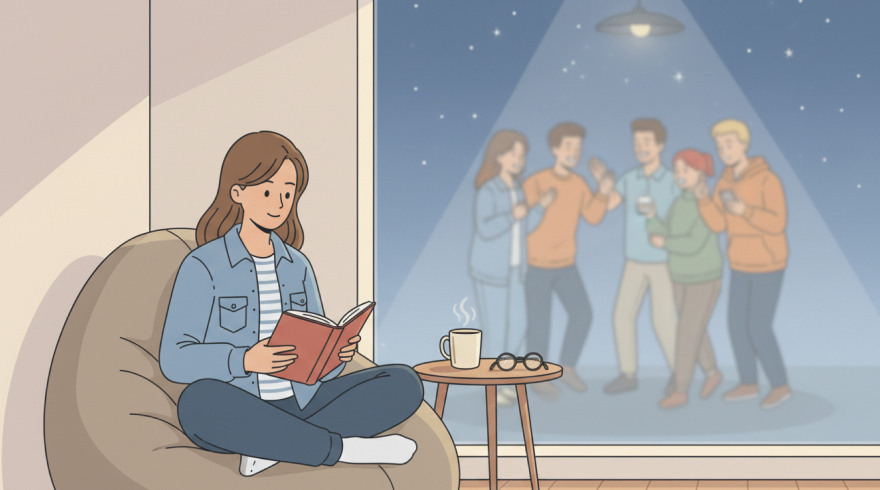
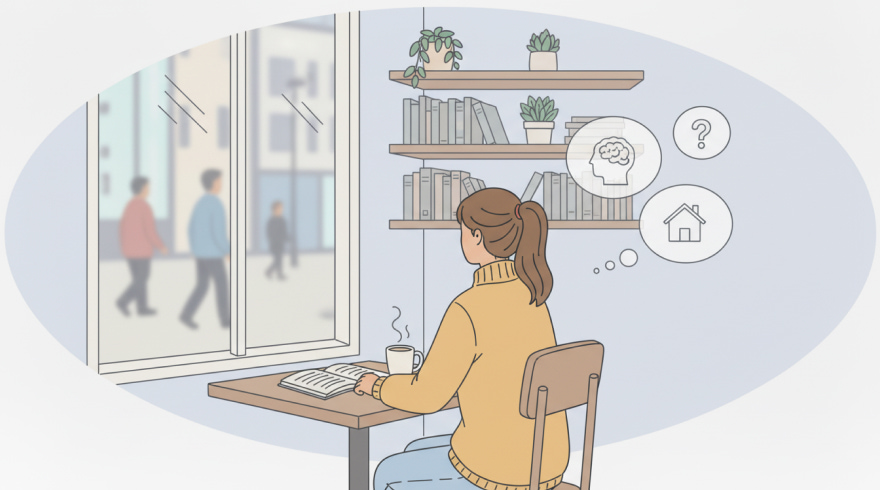
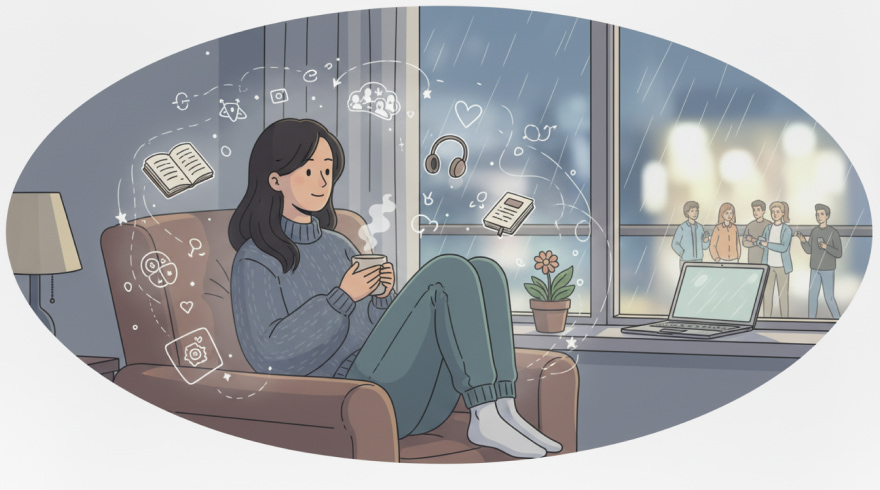
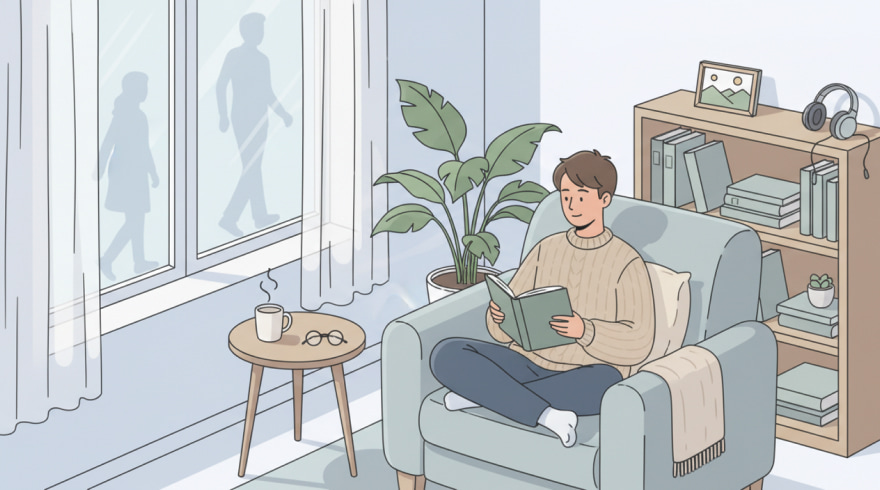
Wondering where your social energy thrives can be confusing in a world that celebrates constant connection. Many adults quietly wonder, am i an introvert, when they feel restored by solitude after busy weekends. Instead of assuming introversion equals shyness, it helps to view it as an energy pattern that influences focus, attention, and recovery. People who lean inward often prefer depth over breadth, calm over chaos, and intention over impulse. That orientation can shape how you learn, work, date, and recharge.
Clarity arrives when you observe how different situations affect your stamina, creativity, and mood across days and weeks. Self-awareness deepens when you ask, am i introverted, during seasons of change or new jobs. Track what gives you momentum and what drains it, and notice how preparation, boundaries, and recovery time influence your outcomes. With attentiveness, you can design an environment that feels aligned rather than overwhelming.
- Energy typically replenishes through quiet pursuits, reflection, or solo hobbies.
- Focus sharpens in low-stimulation spaces with fewer interruptions.
- Depth-oriented conversations feel nourishing, while small talk may feel exhausting.
- Preparation reduces cognitive overload before meetings, interviews, or presentations.
- Boundaries around time and context maintain emotional equilibrium.
How Personality Energy Works (and Why It’s Not Binary)
Neuroscience suggests some people are more sensitive to stimulation, which can make high-intensity contexts feel taxing. That is why people compare preferences by asking, am i extroverted or introverted, before labeling themselves too rigidly. Yet real life is more nuanced: your social appetite can shift with sleep, stress, novelty, and topic interest. You might find crowds thrilling one day and draining the next, which doesn’t invalidate your overarching tendencies.
| Trait Pattern | Typical Energy Source | Helpful Support |
|---|---|---|
| Introversion-leaning | Solitude, focus, meaningful 1:1 talks | Quiet work blocks, deep-work rituals, reflective breaks |
| Ambiversion-leaning | Mix of solo and social in cycles | Flexible scheduling, alternating meeting density, recovery time |
| Extraversion-leaning | Stimulating environments, group momentum | Collaborative projects, social brainstorming, active routines |
Categories can guide, but they shouldn’t confine your choices or identity. Instead of binary thinking, reflect on context by phrasing it as, am i an extrovert or an introvert, when you consider different environments. Some roles tap analytical focus, while others reward rapid social exchange, and you may flex across both as conditions change. Embracing fluidity frees you to choose strategies that work now, not just ones that matched a past version of you.
- Myth: Introverts dislike people; Reality: They simply prefer depth and lower sensory load.
- Myth: Extraverts can’t do quiet work; Reality: They can, but may need social balance.
- Myth: Type is fixed forever; Reality: Context and skills can shift how traits appear.
- Myth: Meetings prove sociability; Reality: Energy quality matters more than airtime.
The Surprising Benefits of an Inward Focus
While social culture often prizes constant visibility, an inward orientation offers strategic advantages. This question often sounds like, why am i introvert, during moments of social comparison. Yet the inward-leaning mind sustains deep concentration, builds meticulous expertise, and filters noise with discernment. Many creators, researchers, analysts, and leaders rely on reflective processing to make accurate calls, spot weak signals, and craft thoughtful narratives.
Skillful self-regulation turns sensitivity into a superpower by channeling attention where it matters most. You can validate your hunch with an approachable checklist, am i introvert test, that helps you notice energy history. Use the results to fine-tune your calendar, conversation formats, and recovery rituals. The aim isn’t to withdraw but to participate wisely, show up for high-impact exchanges and protect the margins that refuel your mind.
- Deep work: Extended focus windows increase quality and originality.
- Listening strength: Careful attention nurtures trust and nuance.
- Risk filtering: Lower impulsivity can prevent costly missteps.
- Creative incubation: Solitude supports synthesis and insight.
- Values alignment: Boundaries protect purpose and long-term goals.
Using Assessments Without Getting Stuck in a Box
Short questionnaires can surface patterns you already sense but haven’t named. To get a quick snapshot, many readers try an online tool like, am i introvert or extrovert quiz, to benchmark tendencies over time. Treat these scores like a compass, not a cage; they’re more useful for guiding habits than defining identity. Revisit results after busy seasons to see how stress or new roles affected your preferences.
Comparing frameworks adds perspective, because wording shapes how you interpret responses. For balance, compare results against a different framing such as, am i extrovert or introvert quiz, which emphasizes social orientation alongside recovery styles. Notice whether your answers shift when questions ask about energy after socializing versus enthusiasm before it. That distinction reveals whether anticipation and aftermath align, or pull in different directions.
- Use multiple tools and average insights across time.
- Journal context around answers, like sleep, workload, or major life events.
- Convert patterns into practices: schedule buffers, choose meeting formats, and set prep rituals.
- Share results with collaborators to negotiate working norms that help everyone thrive.
Ambiversion, Context, and the Spectrum Between
Many people live between extremes, flourishing with a blend of solitude and sociability. When you feel split, a blended tool like, am i introvert extrovert or ambivert quiz, clarifies gradients rather than forcing extremes. This spectrum view explains why you might love a lively workshop yet crave silence afterward. It normalizes switching gears without feeling inconsistent or “wrong.”
Labels are most useful when they suggest ways to adjust your environment rather than to police your behavior. After reflecting, you may simply think, am i introvert extrovert or ambivert, while evaluating daily rhythms and stressors. Use that curiosity to set capacity limits, choose meeting densities, or plan social “sprints” followed by recovery. Over time, you will build a flexible operating system that respects limits while enabling bold contribution.
- Identify “tilt” triggers: crowd size, noise level, unfamiliarity, or topic importance.
- Design mixed days: solo deep work in the morning, collaborative blocks in the afternoon.
- Batch similar interactions to protect momentum and reduce context switching.
- Plan decompression rituals after high-intensity social windows.
Practical Strategies for Work, Relationships, and Well-Being
Great results come from aligning your calendar with your natural energy curve. If you enjoy structured assessments, consider prompts akin to, am i an extrovert introvert or ambivert quiz, yet focus your actions on what the insights enable. Move recurring high-focus tasks to low-noise hours, and reserve meetings for blocks where you feel socially fluent. Share preferences with teammates so people know when you’re best for brainstorming versus review.
Relationships also benefit from honest discussions about pacing, downtime, and conversational style. Before large events, it can be grounding to revisit a frame like, am i an introvert ambivert or extrovert quiz, but then plan your energy budget with intention. Signal when you need quieter plans, negotiate exit windows, and propose activities that balance stimulation for everyone. Most conflicts shrink when expectations are clear and recovery time is protected.
- Adopt meeting hygiene: agendas, pre-reads, and clear outcomes reduce social fatigue.
- Create a “focus fortress”: noise management, do-not-disturb windows, and task batching.
- Use social ramps: arrive early for small talk in calmer settings, or debrief afterward.
- Practice micro-recovery: brief walks, breathwork, and mindful check-ins between calls.
- Communicate preferences kindly: frame boundaries as ingredients for your best contribution.
FAQ: Common Questions About Introversion
How can I tell the difference between introversion and shyness?
Introversion relates to where you gain and spend energy, while shyness involves fear of social judgment. You can be confident and inward-leaning, or anxious and socially eager. Notice whether avoidance stems from low energy or apprehension.
Can someone who prefers quiet still enjoy parties and networking?
Absolutely, especially when the topic is meaningful, the venue is comfortable, or the group size is manageable. The key is pacing, preparation, and recovery rather than avoiding social life altogether. Strategic participation often feels both doable and rewarding.
Do preferences change over time?
They can shift with context, health, and responsibilities. Many people develop skills that make them appear different, even if their energy source remains consistent. Track patterns over months to see what reliably restores you.
How should I talk to my manager about my working style?
Focus on outcomes and offer solutions, such as proposing quiet blocks for deep work and structured agendas for meetings. Share how these norms improve quality and speed for the entire team. Align requests with business goals to gain support.
What if loved ones misread my need for space?
Explain that downtime helps you show up more fully, then suggest plans that work for everyone. Offer specific alternatives like smaller gatherings or shorter visits with clear start and end times. Empathy and predictability build trust over time.
Latest News
-
![A Complete Guide to Understanding Introversion and Extroversion Through Quizzes]()
- 26 December, 2025
-
![Introvert Vs Extrovert Test: Understanding the Spectrum]()
- 25 December, 2025
-
![Understanding Introversion As a Personality Pattern]()
- 24 December, 2025