A Deep Guide to Modern Introversion
- 22 December 2025
Understanding Introversion and Its Nuances
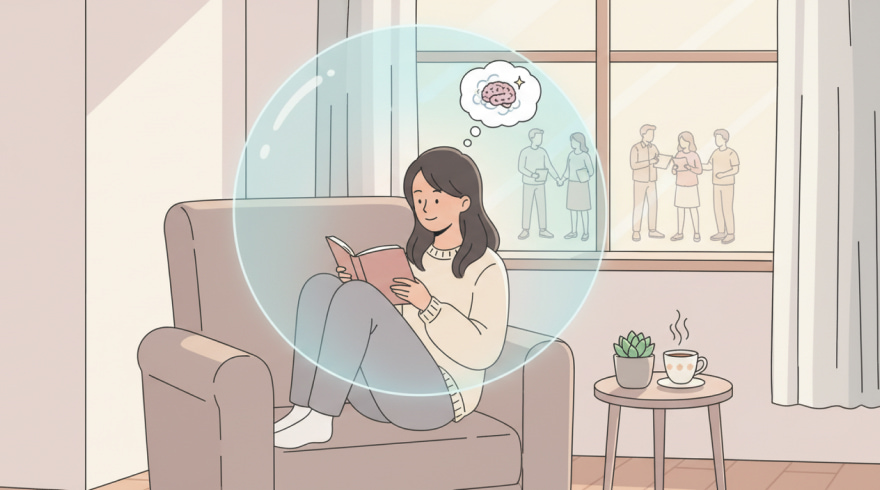
Introversion is not about disliking people; it is about how energy flows, replenishes, and gets directed. Many quiet-leaning individuals enjoy collaboration, public speaking, or leadership, yet they prefer longer intervals of reflection and recovery. Neuroscience links this tendency to sensitivity in reward and attention networks, which primes a mind toward depth, deliberation, and signal-to-noise management.
Labels can oversimplify, so a nuanced map helps people spot patterns without boxing themselves in. Beyond stereotypes, researchers describe the landscape as containing different types of introverts, each with distinct motivations and social rhythms. This perspective reframes quiet preferences from a supposed deficit to a precision instrument, one that excels when aligned with compatible environments and expectations. When context fits temperament, motivation rises, stress ebbs, and performance compounds over time.
- Preference for meaningful, high-quality conversations instead of constant chatter.
- Strong capacity for sustained focus and deep work during uninterrupted blocks.
- Heightened attunement to nuance, subtext, and subtle emotional cues.
- Need for intentional recovery rituals after intense collaboration or sensory input.
The Core Categories Explained
Social Introvert
People in this cluster enjoy company, yet they carefully curate circle size and interaction intensity. They thrive with one-to-one exchanges, small gatherings, and events that allow space for pauses and reflective moments. Rather than being shy, they are selective and strategic with social energy.
Practitioners who teach this framework often highlight clear boundaries, because it clarifies trade-offs and reduces guilt. Within the STAR model, scholars often group these patterns into 4 types of introverts, providing a practical map for everyday understanding. With the Social strand, the win comes from designing conviviality that never overwhelms the senses.
Thinking Introvert
This strand is marked by an active inner world, vivid imagination, and analytical depth. Ideas click into place during solitude, journals become laboratories, and whiteboards feel like friendly canvases. Teams rely on these minds for synthesis, scenario planning, and conceptual clarity.
In seminars, I introduce the four types of introverts with real-life vignettes so the traits feel tangible, and the Thinking profile consistently resonates with strategists and creators. When given time to incubate, this style generates elegant answers and resilient plans.
Anxious Introvert
Here the nervous system runs hot under social uncertainty, particularly during unstructured gatherings. The trait is not a flaw; it signals a sensitive threat detector that notices micro-dynamics other people miss. Gentle preparation, clear roles, and supportive partners dramatically reduce friction for this group.
When people ask, what are the 4 types of introverts, the concise answer is Social, Thinking, Anxious, and Restrained, and it helps the Anxious pattern to normalize sensations rather than pathologize them. With rituals like pre-event run-throughs and after-action notes, confidence grows in measurable steps.
Restrained Introvert
This style prefers deliberate pacing and dislikes being rushed into swift decisions or spontaneous transitions. Mornings may start slowly, momentum builds with structure, and quality outcomes follow predictable routines. Colleagues who respect tempo unlock dependable execution and fewer preventable errors.
For clarity, coaches sometimes abbreviate this framework as 4 types of introvert, a shorthand that keeps the focus on behavior instead of stereotypes. Once teams align timelines with a measured cadence, the Restrained profile becomes a backbone for reliability and craft.
Benefits and Strengths of Quiet-Leaning Styles
The hidden advantage of inward-focused energy is compounding attention. When distractions fall away, a quiet professional can chase a question to the end of the trail and return with signal-rich insights. That depth converts into better decisions, fewer reworks, and more authentic relationships with clients and colleagues.
From hiring to health, teams benefit when they appreciate introvert personality types and design roles around deep-work strengths. This is where precision staffing pays off, because environments that match temperament reduce burnout and increase idea quality. Performance, in this sense, becomes a function of context as much as competence.
In leadership development, mapping specific introvert types to decision contexts reduces friction and boosts outcomes. Negotiations, for example, benefit from calm pacing and thoughtful silence, while product strategy thrives on methodical research. Over time, organizations that celebrate deliberate thinkers enjoy fewer avoidable crises and a more humane cadence of execution.
- Higher creative yield from uninterrupted focus windows.
- Improved risk assessment due to sensitivity to weak signals.
- Trust-building through attentive listening and measured promises.
- Quality over quantity in networking, mentorship, and client relationships.
Applying the Framework at Work, School, and Home
Translating self-knowledge into routines is where growth compounds. Calendar design, communication norms, and recovery plans become levers that transform quiet preference into reliable performance. By aligning rituals with temperament, people stop fighting themselves and start channeling energy where it counts.
Balanced teams consider the full spectrum of personality types introvert extrovert to coordinate collaboration norms. Meeting cadences, asynchronous updates, and pre-read briefs allow every voice to contribute without overloading nervous systems. The right format invites focus without suppressing spontaneity.
Project planning improves when managers visualize types of introverts and extroverts on a shared board to align expectations. Students can do the same by organizing study groups that fit their energy rhythms, while families can craft quiet corners and calm handoffs during household transitions. When the plan respects wiring, resilience becomes a routine outcome.
- Use pre-reads and written agendas for complex decisions.
- Protect deep-work blocks and cluster meetings thoughtfully.
- Create quiet recovery zones after high-stimulation events.
- Pair complementary profiles for balanced problem-solving.
Traits and Environments at a Glance
Summaries make adoption easier, especially for cross-functional teams that need a shared vocabulary. A concise matrix can illuminate where each profile shines, and it can turn abstract psychology into practical scheduling or staffing choices. After reviewing the grid, many readers spot action steps they can implement this week without heavy process changes.
Many readers also recognize mbti introvert types, yet it helps to translate those letters into concrete habits and needs. By anchoring language in observable behavior, a group can avoid jargon while still benefiting from a structured lens. The grid below offers an operational snapshot of the four profiles and the settings that amplify them.
| Introvert Profile | Core Drive | Best Environments | Key Strengths |
|---|---|---|---|
| Social | Meaningful connection | Small groups, 1:1 collaboration, relaxed gatherings | Curating networks, hosting warm conversations, empathic listening |
| Thinking | Insight and synthesis | Quiet offices, research labs, design studios | Analysis, creativity, long-term strategy |
| Anxious | Predictability and safety | Structured meetings, defined roles, clear agendas | Risk sensing, preparation, scenario planning |
| Restrained | Deliberate pacing | Routine-driven workflows, scheduled decision points | Reliability, quality control, procedural mastery |
Use the matrix as a living tool: annotate it with examples from your team, note stressors to avoid, and highlight rituals that unlock flow. Over a quarter or two, these small adjustments add up to quieter calendars, steadier output, and a culture that rewards craftsmanship. The difference often shows up in fewer last-minute crises and a calmer, more trusted brand.
How to Discover Your Pattern and Grow
Self-knowledge starts with gentle observation: when do you feel most alive, and when do you feel drained. Track environments, time-of-day patterns, and social formats for two weeks, then match those notes to common profiles. The aim is not to box yourself in but to design friction out of your routines.
Before committing to strategies, conduct a gentle audit that names your most resonant types of introverts tendencies and patterns. After that, experiment with micro-adjustments like calendar batching, scripted handoffs, and recovery rituals. The proof is in your energy curve and the steadiness of your outcomes.
If curiosity strikes, a reflective types of introverts quiz can provide a starting hypothesis to test in daily life. Pair that snapshot with feedback from trusted peers, because outside perspectives surface blind spots and unexpected strengths. Over time, your profile will feel less like a label and more like a dependable playbook.
- Journal for five minutes after meetings to note energy shifts.
- Design one weekly deep-work block and defend it fiercely.
- Set “transition buffers” before and after high-stimulation events.
- Create a personal cue to signal when you need reflection time.
FAQ: Common Questions About Introverted Profiles
Do quiet preferences change over time?
They can, especially as roles shift and skills expand. Many people become more socially fluent while retaining a need for recovery time, so the expression of introversion evolves with context and practice.
Is shyness the same as introversion?
No, shyness involves fear of social judgment, while introversion describes energy direction and recovery needs. A person may be socially confident and still prefer smaller groups and reflective pauses.
Can introverts lead effectively?
Absolutely; quiet leaders often excel at listening, synthesizing input, and making measured commitments. They build trust through consistency, clarity, and the restraint to let others shine.
How can teams support quieter colleagues?
Offer pre-reads, clear agendas, and asynchronous channels so ideas are not crowded out by volume. Protect deep-work windows and invite written input before meetings to broaden participation.
What is the quickest way to apply this framework?
Start by matching tasks to energy rhythms: schedule deep thinking during peak focus hours and stack meetings when you have social bandwidth. Small, repeatable changes accumulate into durable performance.
Latest News
-
![A Complete Guide to Understanding Introversion and Extroversion Through Quizzes]()
- 26 December, 2025
-
![Introvert Vs Extrovert Test: Understanding the Spectrum]()
- 25 December, 2025
-
![Understanding Introversion As a Personality Pattern]()
- 24 December, 2025