

Understanding Introvert and Extrovert Tendencies
People differ not only in what they think but also in how they refuel after thinking, talking, and doing. Researchers describe these patterns as stable yet flexible tendencies that shape motivation, attention, and interaction. Instead of treating social style as binary, it helps to imagine a spectrum that runs from quiet, reflective processing to outward, expressive momentum. Everyone sits somewhere along this line, and that position can shift with context, stress, and goals.
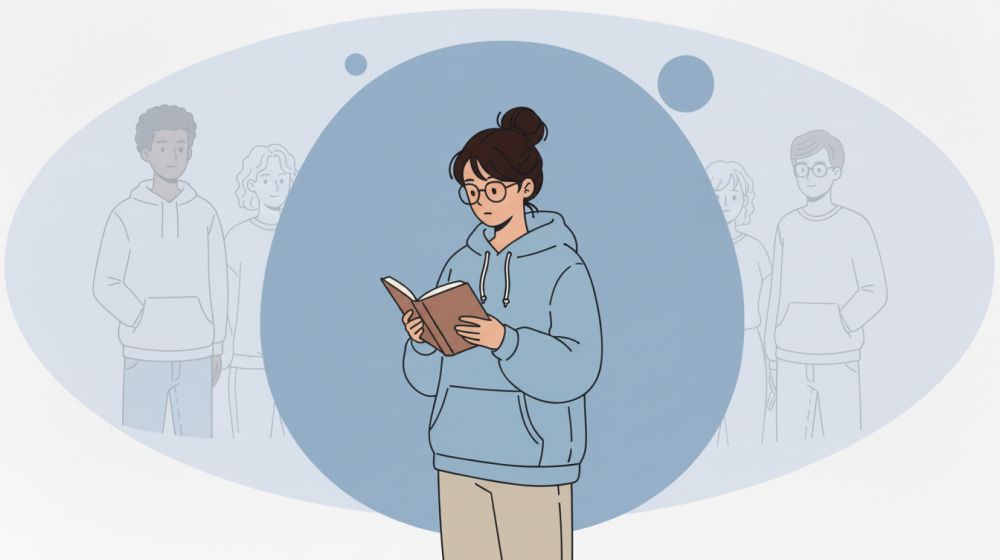
Modern psychology still examines where identity meets behavior, and the debate often includes whether is introvert a personality label captures enduring traits or merely common habits within a culture. Many readers want a simple comparison, so it can be useful to explore introvert vs extrovert frameworks when mapping communication and recovery needs. Clarity grows once we look at the nuanced difference between introvert and extrovert tendencies in attention, stimulus sensitivity, and preferred environments, because these factors influence everything from teamwork to creative output.
- 1Energy restoration varies, with some people gaining fuel from solitude while others thrive after group exchanges.
- 2Attention patterns differ, as some favor deep focus and others track rapid, multi-channel input.
- 3Social rhythm preferences range from deliberate, one-to-one conversations to spontaneous, large-group dialogues.
Seeing the spectrum clearly benefits relationships, hiring decisions, leadership development, and mental fitness. When people align their daily routines with their social energy economics, they tend to experience fewer crashes and more sustainable performance. This shift also reduces unhelpful self-judgment, replacing it with language that honors strengths, protects bandwidth, and creates room for intentional growth.
How Brain Differences Affect Energy and Focus
Neuroscience suggests individual differences in sensitivity to reward, threat, and novelty can shape social pacing and stimulation tolerance. Researchers also study dopamine pathways, sensory gating, and arousal thresholds to explain why some people seek quiet while others head toward the buzz. For many readers, it becomes easier to evaluate habits by framing tasks, people, and places along a continuum that contrasts internal pacing with outward momentum, which helps avoid simplistic extrovert vs introvert stereotypes in everyday life.
| Domain | Lower-Stimulation Preference | Higher-Stimulation Preference | Bridging Strategy |
|---|---|---|---|
| Meetings | Advance agendas, reflective turn-taking, written input. | Live brainstorming, rapid dialogue, quick decisions. | Hybrid cadence with pre-reads, time-boxed rounds, and summary notes. |
| Creative Work | Deep-focus blocks, solo drafting, quiet environments. | Collaborative sprints, whiteboard sessions, energetic spaces. | Alternating solitary creation with short co-creation bursts. |
| Networking | Curated one-to-ones, meaningful follow-ups, small circles. | Large mixers, spontaneous chats, wide-contact exploration. | Start with small groups, then layer occasional bigger events. |
| Recovery | Nature walks, journaling, reading, quiet hobbies. | Group activities, team sports, lively gatherings. | Schedule decompression before and after high-energy moments. |
When designing roles and routines, leaders benefit from language that recognizes the mosaic of introvert personality types without collapsing everyone into monolithic categories. Researchers also discuss the 4 types of introverts framework as a way to honor differences in social desire, sensitivity, restraint, and intellectual focus, which reduces one-size-fits-all recommendations. Rather than labeling people permanently, teams can craft flexible norms that let individuals modulate stimulation, choose communication channels, and protect cognitive resources through deliberate boundaries.
- 1Use rotating facilitation so multiple participation styles surface naturally.
- 2Pair asynchronous inputs with live sessions to capture deep and fast thinking.
- 3Map projects by energy demand to align tasks with sustainable attention.
- 4Evaluate outcomes by clarity and impact, not by airtime or volume.
Benefits in Work, Relationships, and Well-Being
Balanced organizations need both quiet catalysts and expressive accelerators to handle discovery, delivery, and change. When people match tasks to their energy profile, they gain resilience, creativity, and morale. In practice, this means designing workflows that blend solitude with collaboration, and making recovery a standard part of the calendar instead of a secret luxury.
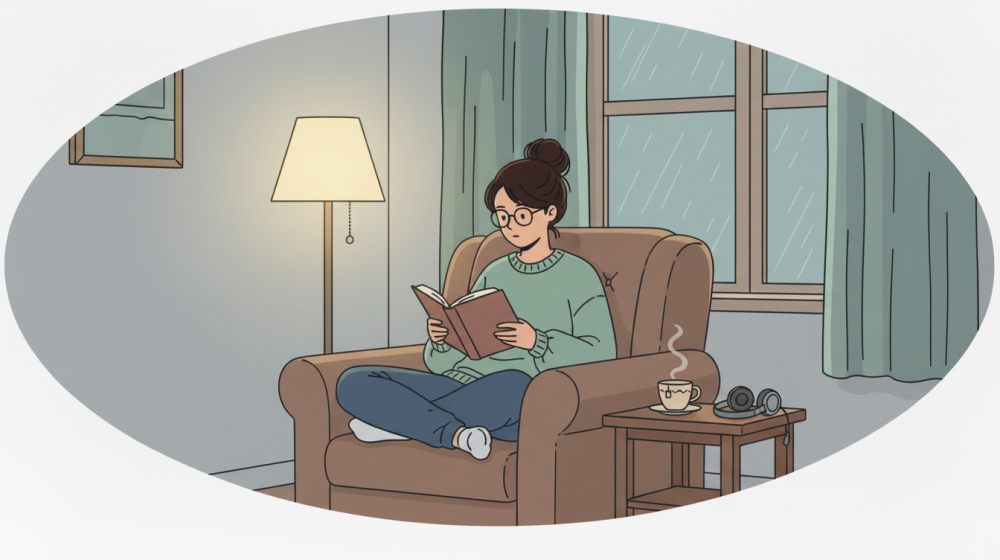
Plenty of teams discover a powerful middle lane when discussing introvert extrovert ambivert dynamics, because many professionals toggle styles depending on stakes and context. Hiring managers also improve retention when they stop asking whether someone is purely extrovert or introvert and start asking how a person prefers to prepare, contribute, and recharge during demanding cycles. Relationship skills expand further once partners and friends explore the nuanced question, “So, what is extroverted introvert really signaling about my needs during social plans and recovery time?” The practical payoff is substantial: fewer meeting overloads, cleaner handoffs, and a culture that rewards outcomes instead of noise. Trust grows when leaders normalize personal energy boundaries, and collaboration gets smarter when teammates know exactly how to invite contributions from different social rhythms.
Tracking Your Patterns
Learning how you refuel is a competitive advantage, especially in high-change environments where attention is the scarcest resource. Many people begin by journaling patterns across a week, then aligning routines with the settings that produce clarity, courage, and follow-through. Curiosity drives better decisions when you engage thoughtful tools rather than chasing trends or stereotypes, and it helps to approach assessments as starting points, not verdicts.
Tools for Intentional Growth and Focus
Some readers first reflect on the question behind am i an introvert by noticing energy after different types of conversations, projects, and social scenes. Others experiment with structured prompts similar to an introvert extrovert quiz to map situations that boost or drain attention. For broader benchmarking, teams sometimes use an introvert extrovert test alongside observational notes to compare self-perception with behavior in the wild. Individuals who prefer a lightweight check-in may try an introvert test during routine retrospectives to keep adjustments simple and frequent. People who enjoy data-driven exercises often favor formats like an am i introvert or extrovert quiz because they spark conversations about boundaries, collaboration, and recovery rituals.

Growth emerges when you iterate on the basics: define how you work best, communicate those preferences clearly, and continually refine your boundaries as goals evolve. The more you adapt environments to how your attention works, the more consistent your performance and well-being become.
- 1Time-block recovery just like meetings, and treat it as non-negotiable.
- 2Design your social calendar with “high–low” alternation to avoid stimulus whiplash.
- 3Choose communication channels that match the decision at hand, not habit or pressure.
Frequently Asked Questions
- Are these traits fixed or flexible across a lifetime?
Traits show relative stability, yet expression shifts with practice, context, and motivation. People build range by stacking skills, protecting recovery, and experimenting with communication modes that fit the moment. Over time, this looks like greater adaptability without abandoning core preferences.
- How can managers support diverse social energy styles on one team?
Leaders can design hybrid rituals: pre-reads for deep thinkers, live sessions for rapid iterators, and rotating facilitation to amplify quieter voices. Clear decision pathways help everyone contribute meaningfully, while norms around recovery keep output sustainable across busy cycles.
- What if my role requires constant interaction but I prefer quiet?
You can buffer stimulus by clustering meetings, reclaiming short focus sprints, and negotiating communication boundaries. Recovery micro-habits, brief walks, silent minutes, or written debriefs, restore attention and prevent the cumulative fatigue that undermines performance.
- Can a person enjoy big crowds and still need solitude later?
Yes, many people ride different social gears depending on stakes, novelty, and energy reserves. This is why some descriptions mention introvert extrovert patterns as a shorthand for mixed signals that make sense once you track recovery needs and stimulus levels.
- How do I talk about my preferences without sounding difficult?
Share what helps you contribute at your best, tie those requests to team goals, and propose experiments with clear check-in points. When preferences map to outcomes, like faster decisions or cleaner handoffs, colleagues usually welcome the clarity.
The Latest News
-
![A Complete Guide to Understanding Introversion and Extroversion Through Quizzes]()
- 26 December, 2025
-
![Introvert Vs Extrovert Test: Understanding the Spectrum]()
- 25 December, 2025

Please Note
This website (introvertquiz.net) is not an official representative, creator or developer of this application, or product. All the copyrighted materials belong to their respective owners. All the content on this website is used for educational and informative purposes only.